
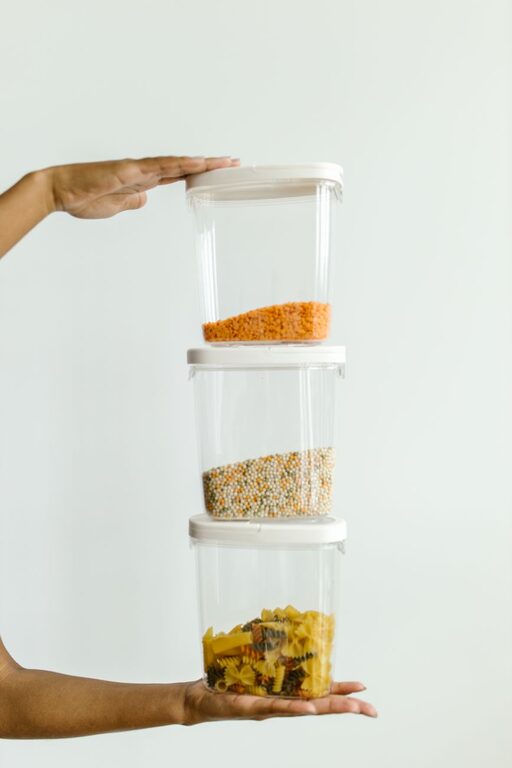
Planning meals from pantry staples is a smart way to save time, reduce food waste, and create satisfying dishes without frequent trips to the store. Your pantry likely holds a variety of versatile ingredients that can be combined into quick meals, snacks, or even entertaining dishes. Whether you’re aiming to stretch your grocery budget or simply want to make the most of what you already have, mastering meal planning with pantry staples can become a game-changer in your kitchen.
Why Plan Meals from Pantry Staples?
Using pantry staples to plan meals helps you:
– Save money by reducing reliance on fresh, often more expensive ingredients.
– Cut down on last-minute trips to the grocery store.
– Lower food waste by using existing ingredients before they expire.
– Create flexible meals that can adapt to your preferences and schedule.
– Simplify cooking by focusing on long-lasting, easy-to-store items.
Common Pantry Staples to Keep on Hand
Before planning meals, it’s helpful to know which pantry staples are most useful. Here’s a list of common items to maintain in your pantry:
Grains and Pasta
– Rice (white, brown, or specialty varieties)
– Pasta (spaghetti, penne, fusilli)
– Quinoa or couscous
– Rolled oats
Canned and Jarred Goods
– Canned beans (black beans, chickpeas, kidney beans)
– Canned tomatoes (diced, crushed, or sauce)
– Broth or stock (chicken, beef, vegetable)
– Coconut milk
– Olives and pickles
Baking and Cooking Basics
– Flour (all-purpose, whole wheat)
– Sugar (white, brown)
– Baking powder and baking soda
– Salt and pepper
– Cooking oils (olive oil, vegetable oil)
– Vinegars (apple cider, balsamic)
Spices and Herbs
– Dried herbs (oregano, thyme, basil)
– Ground spices (cumin, paprika, cinnamon)
– Garlic and onion powder
– Chili flakes
Nuts, Seeds, and Extras
– Peanut butter or other nut butters
– Nuts and seeds (almonds, sunflower seeds)
– Dried fruit (raisins, cranberries)
Step-by-Step Guide to Planning Meals from Pantry Staples
1. Take Inventory of Your Pantry
Start by checking what you already have. Organize shelf by shelf and jot down key ingredients including their quantities and expiration dates. This gives you a clear picture of what’s available and helps minimize duplicate purchases.
2. Identify Flexible Recipe Ideas
Look for recipes or meal ideas that rely heavily on your stocked ingredients. Some examples include:
– Pasta with tomato sauce and canned beans for protein
– Rice bowls with canned vegetables and spices
– Stews or soups using broth, canned tomatoes, and beans
– Stir-fries with rice or noodles and pantry-based sauces
Keep a list of these meal options for easy reference.
3. Plan Around What Needs to Be Used Soon
If you notice any ingredients nearing their expiration or canned goods you want to use, prioritize those in your meal plan. This prevents waste and helps rotate your pantry stock.
4. Combine Staples with Fresh and Frozen Ingredients
While pantry staples provide the base, adding fresh veggies, frozen produce, or proteins can enhance meals. Plan to purchase a few fresh items that complement your staples, such as:
– Fresh spinach or kale for salads and sautéing
– Fresh garlic or onions for flavor
– Frozen vegetables for convenience
5. Create a Weekly Meal Plan
Using your pantry inventory and recipe ideas, map out meals for the week. For example:
| Day | Meal Idea |
|———–|——————————————-|
| Monday | Chickpea curry with rice and canned tomatoes|
| Tuesday | Pasta with garlic, olive oil, and chili flakes|
| Wednesday | Lentil soup with canned broth and spices |
| Thursday | Tuna salad with canned tuna, beans, and olives|
| Friday | Stir-fried rice with frozen veggies and eggs|
6. Make a Shopping List for Missing Ingredients
After planning, identify what fresh or frozen items you need to buy. Keep your list focused and avoid impulse buys by sticking to essentials that complement your pantry staples.
Tips for Cooking with Pantry Staples
Mix and Match Ingredients
Don’t be afraid to experiment by combining different pantry staples. For instance, canned beans can be swapped between chili, salads, or wraps. Playing with spices can turn the same base ingredients into different flavor profiles.
Use Sauces and Condiments Wisely
Having a few key condiments like soy sauce, hot sauce, or mustard can transform simple dishes. They add layers of flavor without requiring fresh ingredients.
Prepare Staples in Advance
Cook large batches of rice or pasta to have on hand during the week. Pre-soaking beans can reduce cooking time and improve texture if you prefer dried beans over canned.
Store Pantry Staples Properly
Keep staples in airtight containers, away from heat and moisture, to preserve freshness and quality.
Sample Pantry-Based Recipes to Try
1. One-Pot Tomato and Bean Stew
Ingredients:
– 1 can diced tomatoes
– 1 can black beans, drained
– 1 onion, chopped (fresh or dehydrated)
– 2 garlic cloves, minced (fresh or powder)
– 1 tsp cumin
– Salt and pepper to taste
– Olive oil
Instructions:
- Heat olive oil in a pot over medium heat.
- Sauté onion and garlic until fragrant.
- Add diced tomatoes, beans, and cumin.
- Simmer for 15-20 minutes, stirring occasionally.
- Season with salt and pepper.
- Serve with rice or bread.
2. Quick Peanut Noodles
Ingredients:
– 8 oz pasta
– 2 tbsp peanut butter
– 1 tbsp soy sauce
– 1 tsp honey or sugar
– Chili flakes (optional)
– Water or broth to thin the sauce
Instructions:
- Cook pasta according to package instructions.
- In a bowl, mix peanut butter, soy sauce, honey, and chili flakes.
- Add warm water or broth to reach your desired sauce consistency.
- Toss cooked pasta with the sauce.
- Garnish with chopped peanuts or green onions if available.
Final Thoughts
Meal planning with pantry staples makes cooking less stressful and more resourceful. By keeping a well-stocked pantry and rotating ingredients creatively, you can enjoy a variety of tasty meals without frequent grocery runs. Remember to stay flexible, use what you have, and add fresh ingredients to brighten your dishes. Happy cooking!